Expert studio
Expertise makes the experience matter
Working with subject matter experts who've spent years building knowledge, developing ideas, solving problems, and learning what works.
Knowing something deeply and teaching it effectively are two different capabilities.
Turning expertise into an engaging, useful learning experience requires a different set of decisions: what to teach, what to leave out, how to structure the ideas, where learners need to practice, and how to help them apply what they've learned.
I bring instructional design, adult learning, facilitation, and experience design together to help experts transform what they know into experiences that help other people understand, decide, and do.
From knowledge to experience
The most effective learning experiences don't simply deliver information. They create opportunities for people to make sense of ideas, test their understanding, practice new skills, and apply what they've learned.
That principle applies whether you're developing a signature workshop, building an online course, designing a mastermind, or creating a short learning resource.
The Design Philosophy
-
What should someone understand, decide, or be able to do by the end? A clear destination makes it easier to determine what belongs in the experience—and what doesn't.
-
Organize information around the learner's needs. Make complex ideas accessible. Give people a reason to pay attention and a structure that helps them make sense of what they're learning.
-
People need opportunities to think, reflect, discuss, practice, and make decisions. Learning becomes more useful when participants actively work with the ideas rather than simply receive them.
-
Build in opportunities to connect learning to real situations. Use scenarios, exercises, feedback, planning, and reflection to help bridge the gap between knowing and doing.
-
Good instructional design is not about adding games, animations, or activities for their own sake. It's about making deliberate choices that improve understanding, engagement, and application.
-
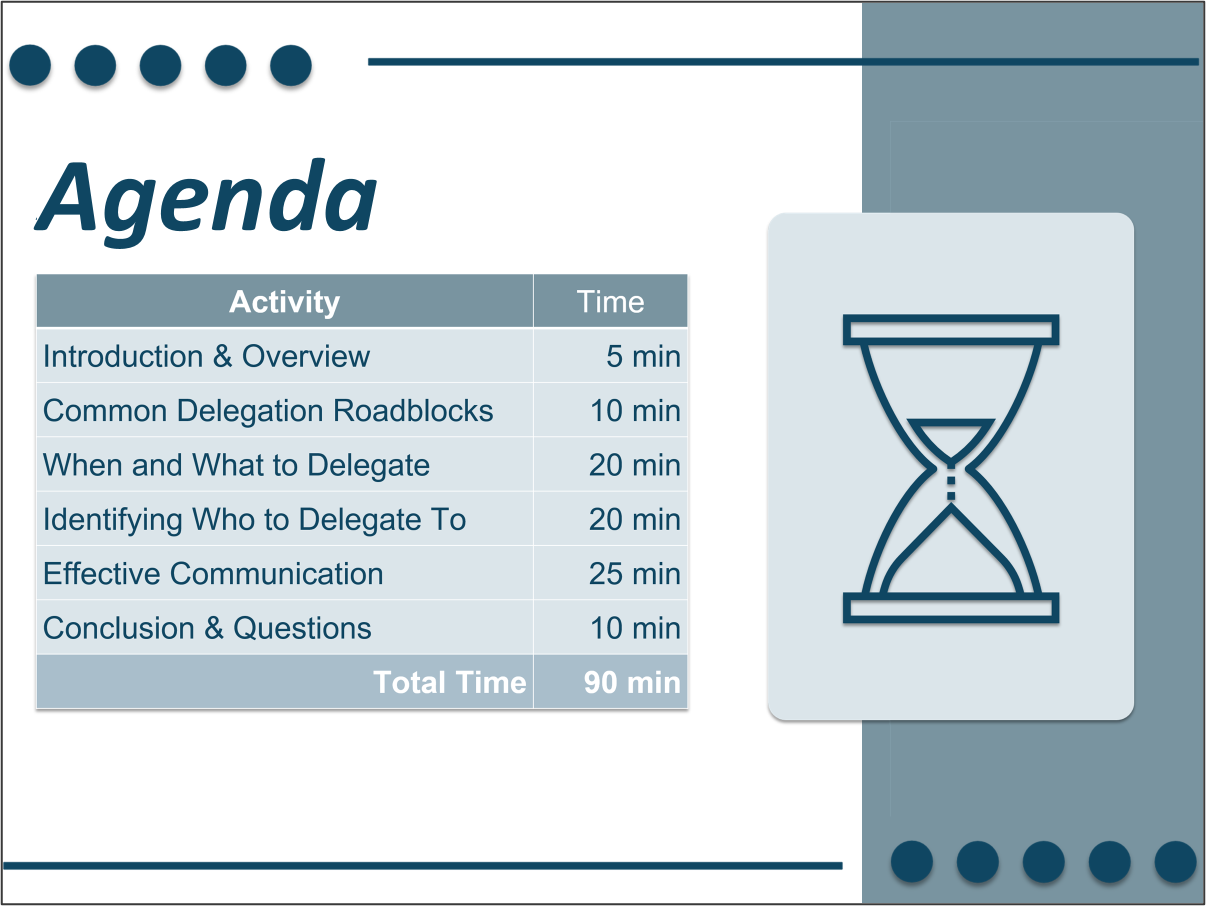
Workshops
Design structured, engaging experiences that bring people together to explore ideas, solve problems, practice skills, and leave with something they can use.
-
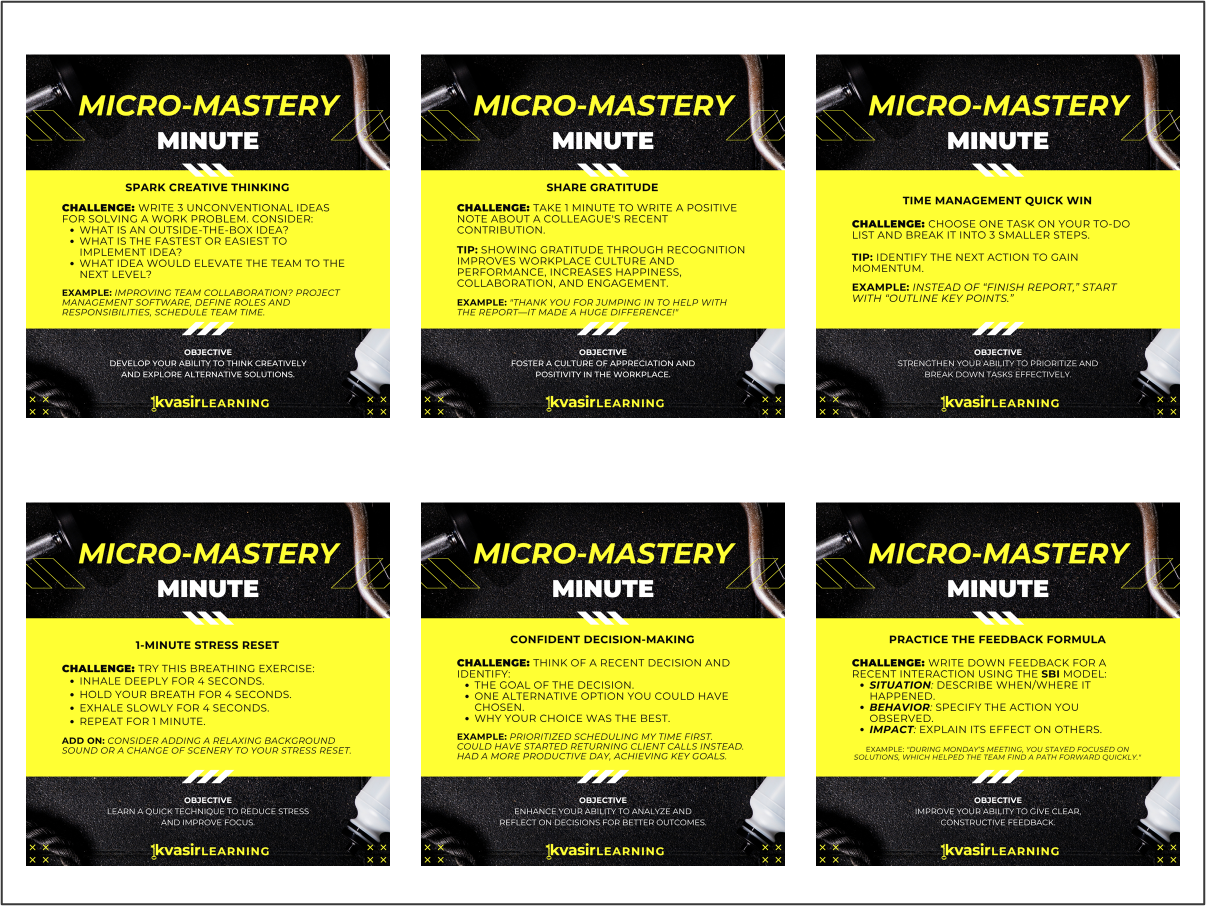
Microlearning
Turn complex concepts into a coherent learning journey with clear objectives, purposeful sequencing, meaningful practice, and opportunities for application.
-
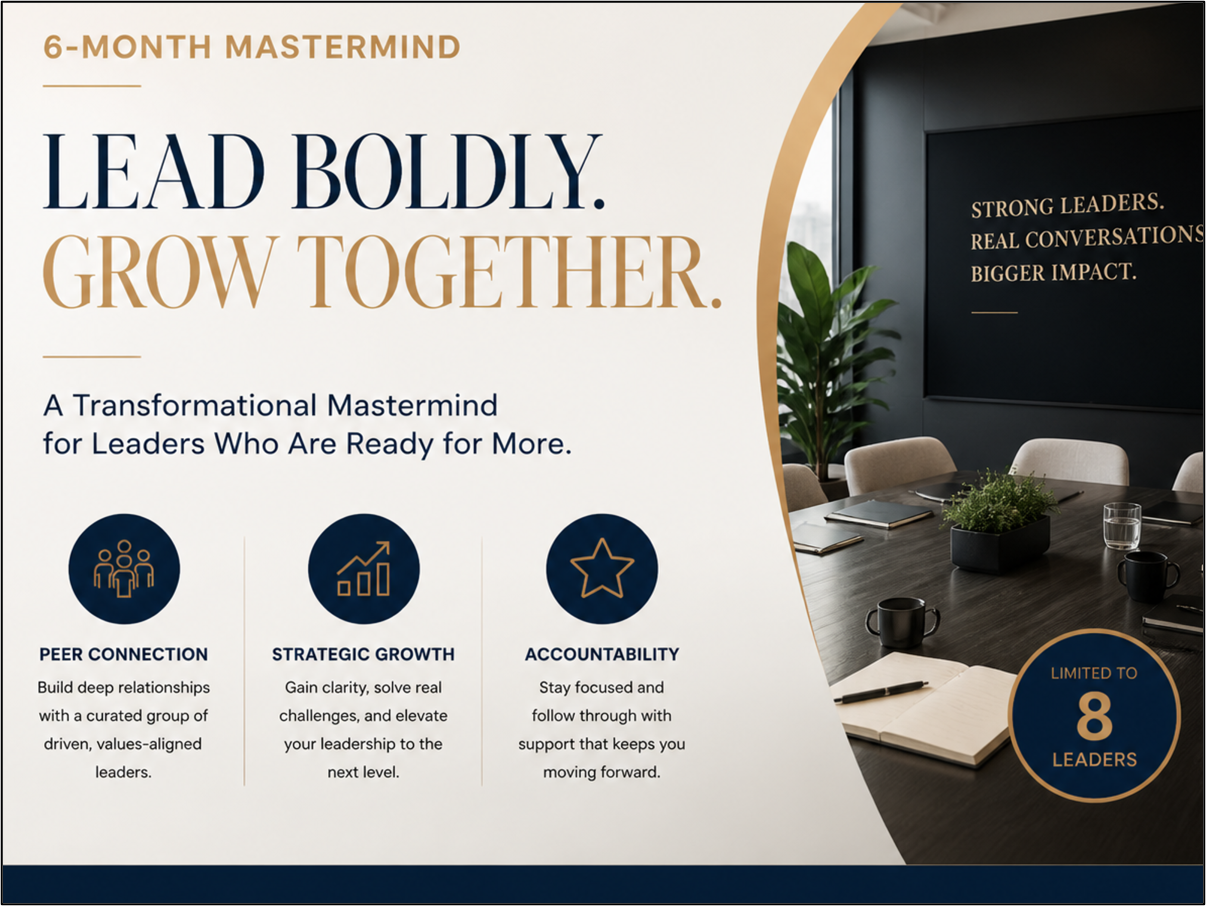
Masterminds
Transform your knowledge into prompts, activities, and group interactions that help participants learn from one another, challenge assumptions, and translate insight into action.
LEARNING EXPERIENCE VAULT
A growing collection of ideas, frameworks, and practical designs for learning that moves beyond information delivery.
What makes a workshop engaging? Why does one activity create meaningful insight while another feels like an interruption? How do you structure a learning experience so that people leave not only understanding an idea, but knowing what to do with it?
The Learning Experience Vault explores these questions through the craft of instructional design.
It's a space for examining the building blocks of effective learning: objectives, sequencing, explanation, reflection, discussion, practice, feedback, application, and reinforcement.
Part design library, part professional notebook, and part practical resource collection, the Vault makes the thinking behind learning experiences visible.
Activities and exercises
Practical approaches to discussion, reflection, problem-solving, scenario analysis, peer learning, and skill practice. Each activity should have a purpose. The goal is not to keep people busy; it's to create an opportunity for meaningful learning.
Instructional design frameworks
Tools for structuring content, aligning objectives with activities, managing cognitive complexity, and designing experiences around the learner. These frameworks can help make the design process more deliberate and repeatable.
Learning science in practice
Explore how principles of adult learning, retrieval practice, feedback, cognitive load, and transfer can inform the design of real educational experiences. The emphasis is on application: what does the principle mean for the decisions a learning designer or facilitator makes?
Ready-to-use learning resources
Over time, the Vault will include selected templates, workshop structures, facilitation guides, and practical learning assets that can help other professionals design and deliver better experiences.
Designed with intention
Learning design is both a discipline and a craft. Evidence and theory provide useful foundations, but good design also requires judgment, creativity, and a willingness to test assumptions.
The Vault is a place to make that process visible: to explore why certain approaches work, examine alternatives, and develop a growing collection of practical examples.
-
Purpose establishes what participants need to achieve.
-
Preparation creates the context and readiness for learning.
-
Engagement gives participants a reason to participate and think.
-
Exploration introduces ideas and helps people make sense of them.
-
Practice creates opportunities to test understanding and develop skills.
-
Application connects the learning to real situations.
-
Reinforcement helps participants carry the learning beyond the session.
-

Anatomy of a Workshop
A closer look at how workshops are designed, from the initial learning objectives to the final moments of application.
-
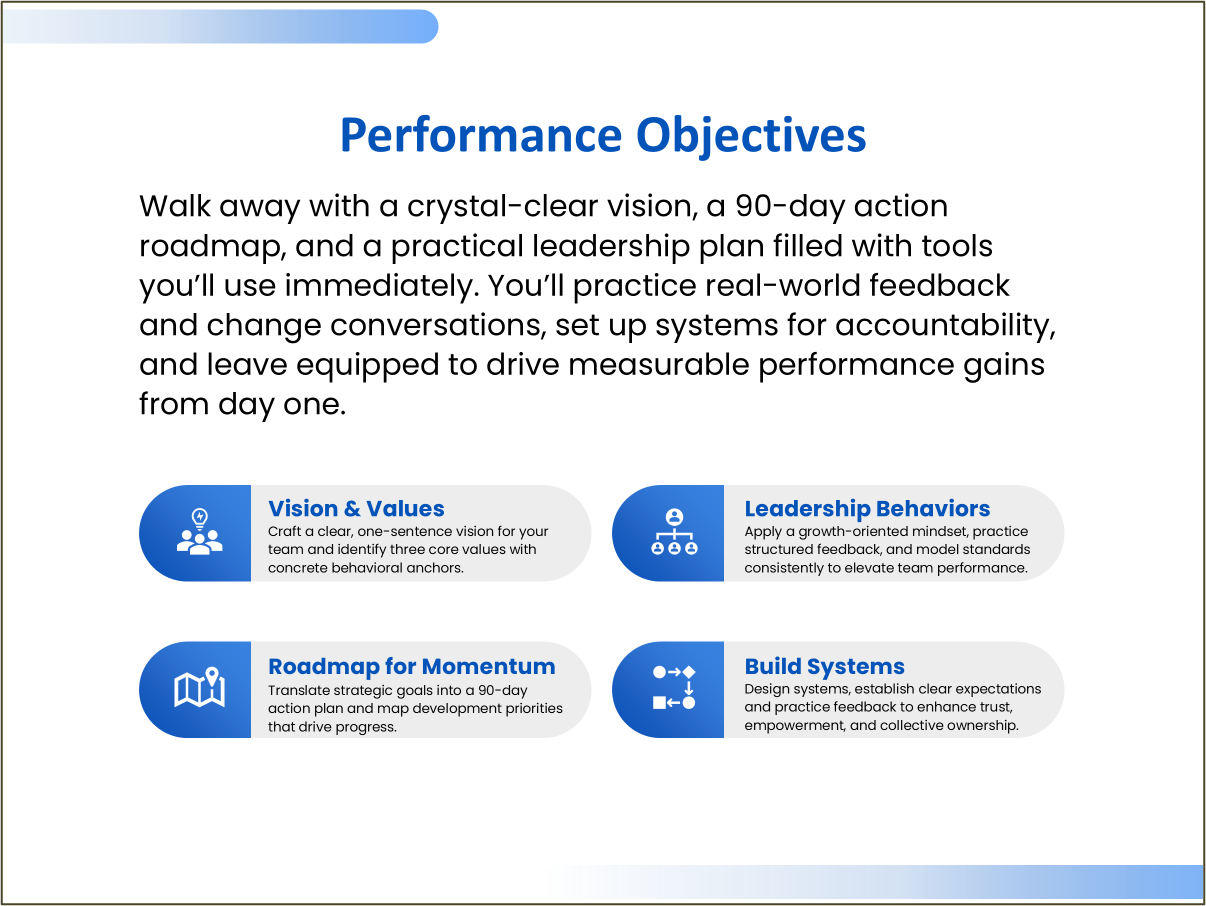
2-Day Leadership Intensive
First time leaders program that jump=starts a new manager’s professional growth and primes them for effective team, and capability, building.
-
The Basics of Facilitation
A practical exploration of the core facilitation skills required to bring a application-based learning experience to life.
IMPACT ACCELERATOR
exploring learning as a lifelong Growth lever
Learning doesn't stop when the workday ends.
What if we approached personal development with the same curiosity and intention we bring to professional learning?
We spend years learning to do our jobs, developing expertise, and building professional capabilities. Yet many of the questions that shape our lives — how we learn, change habits, develop new interests, build confidence, and pursue meaningful goals — receive far less deliberate attention.
The science and practice of personal growth.
Drawing on adult learning principles, cognitive science, and the broader study of human development, I explore how we acquire new skills, adapt to change, and create opportunities for growth throughout our lives.
Not as a promise that we can become anything through positive thinking, but as an invitation to understand ourselves better and approach development more intentionally.
-
Delve into the processes that support learning and memory, including retrieval practice, feedback, attention, cognitive load, and the role of experience.
-
Examine what neuroscience and psychology can tell us about learning, habit formation, motivation, and behavior change.
-
Apply learning principles to personal goals. Break down complex skills, create opportunities for practice, seek feedback, and build routines that make progress more sustainable.
-
Investigate how learning can change not only what we know, but also how we see ourselves, what we believe is possible, and how we choose to spend our time.
-
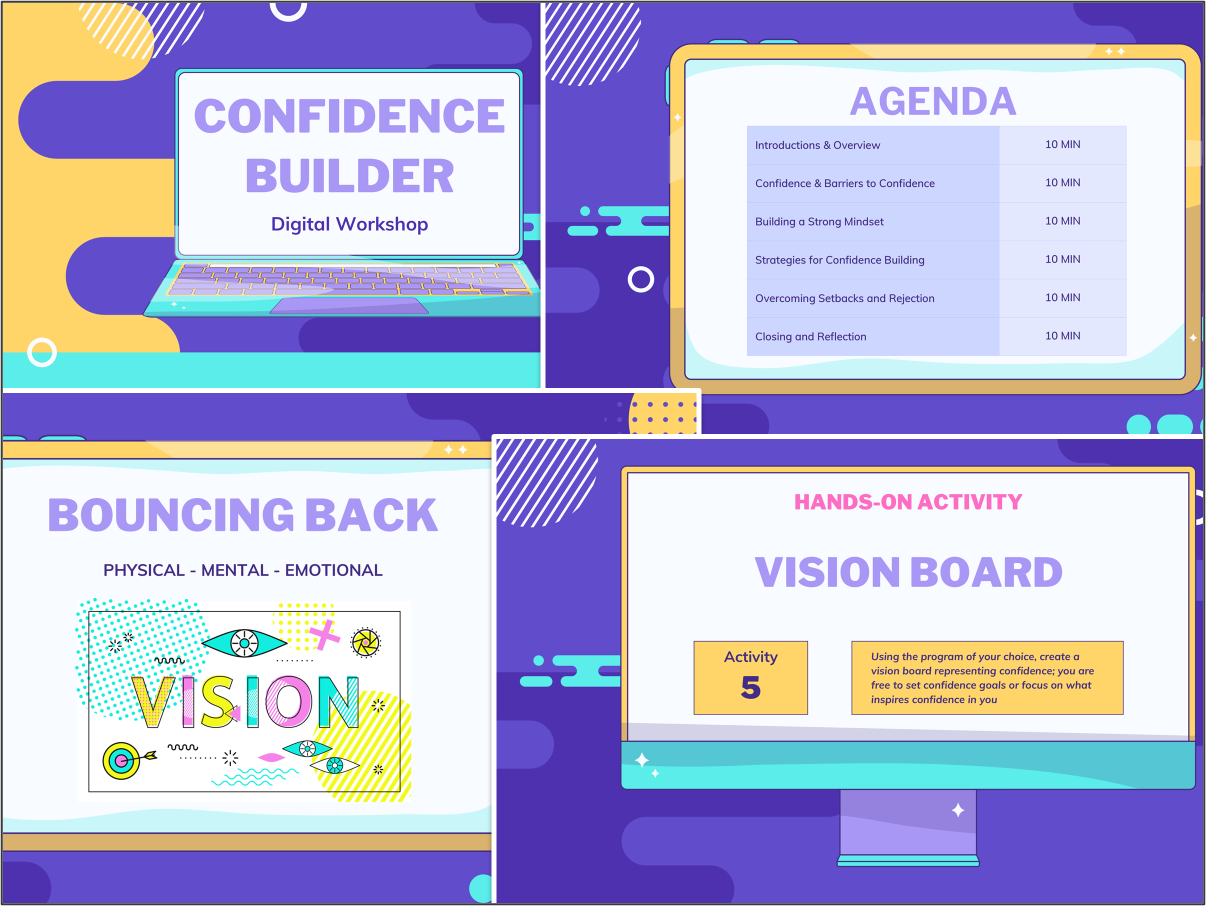
Confidence Builder
Reinforce your awesome and build confidence, one step at a time.
-
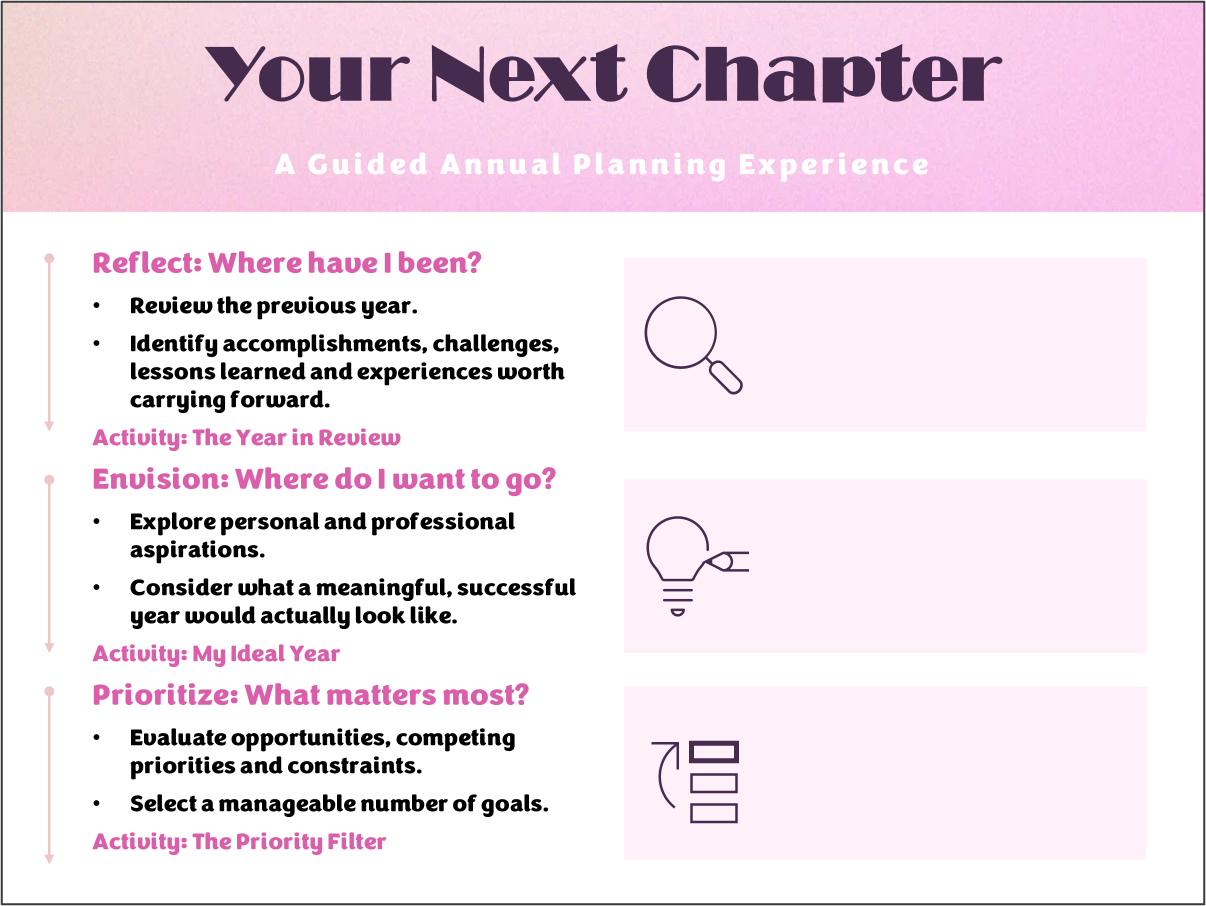
Goal Setting
Start your next chapter off right with a guided goal setting session.
-
The Innovator
Use curiosity to identify, define, and create your next big thing.